
Avéli vs Cellfina: Which Cellulite Treatment Works Better?
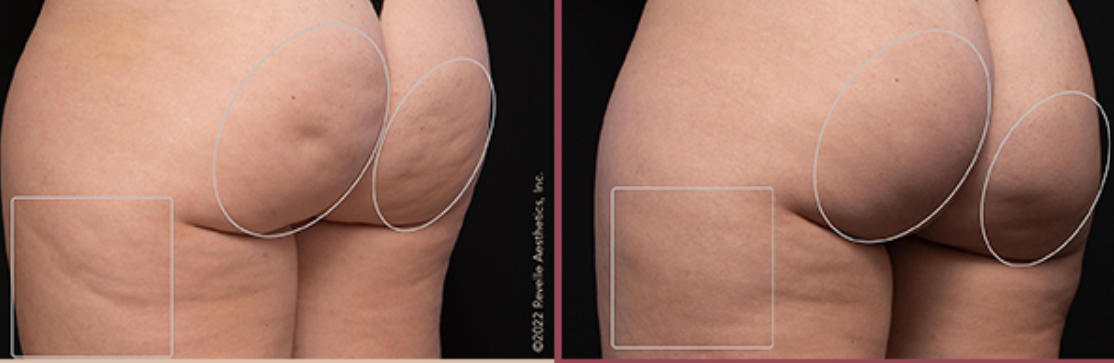
Avéli vs Cellfina: Which Cellulite Treatment Works Better? A Comparison Guide
Cellulite is one of the few body concerns that does not respond to effort. You can eat well, train consistently, stay at a healthy weight, and still see dimpling across the buttocks and thighs. The cause sits below the surface. Fibrous bands called septae tether the skin to deeper tissue, and as fat presses upward between them, the skin puckers. Creams and scrubs treat the top layer, so they never reach the structure creating the problem.
Two minimally invasive procedures do reach it: Avéli and Cellfina. Both are FDA cleared, both release the bands directly, and both are available at SF Bay Cosmetic Surgery Medical Group in San Ramon. Here is an honest comparison of how they differ and who each one suits.
The Short Answer
Avéli and Cellfina treat the same underlying cause with different tools. Avéli works through a single small entry point using a lighted handpiece that lets the physician confirm each band has been released as it is treated, which tends to suit widespread rippling across a broader area. Cellfina uses suction to stabilize the skin and treats each dimple individually, which suits distinct, well defined dimples and carries the longest FDA clearance of any cellulite treatment.
Neither is universally better. The right answer depends on your pattern of cellulite, your tolerance for a week of bruising, and your goals.
Why Cellulite Resists Diet and Exercise
Cellulite affects an estimated 85 to 90 percent of women, including women who are lean and athletic. The cause is mechanical rather than metabolic. Bands of connective tissue run from the skin down to the muscle, with fat sitting between them. As fat cells expand, they push outward while the bands hold firm, producing the dimpled or orange peel texture most often seen on the buttocks and thighs.
That structure explains why so many treatments disappoint. Caffeine creams tighten skin briefly. Radiofrequency devices can improve tone and surface texture. Weight loss can reduce volume. None of them release the bands, so the tethering remains and the dimples return. Cutting those bands is what produces visible, lasting change, and that is precisely what Avéli and Cellfina are built to do.
How Avéli Works
Avéli is performed in the office under local anesthesia. Your physician first maps the areas of dimpling while you are standing, since cellulite presents differently depending on position. A fine needle creates a small entry point, usually placed discreetly in the gluteal crease, and a slim handpiece carrying a tiny blade is guided beneath the skin.
What sets Avéli apart is verification. The device is lighted and includes a hook that allows the physician to feel and confirm that each targeted band has been fully released before moving on. The release is confirmed during the procedure rather than assumed afterward. Because only the offending bands are cut, surrounding fat and skin are largely left undisturbed, which limits bruising and shortens recovery.
Most patients see smoother skin in the treated area shortly after the procedure, with continued improvement as tissue settles over the following weeks. Published clinical data reported meaningful improvement in cellulite appearance in roughly 93 percent of patients at 12 months. Avéli is often the stronger choice for diffuse rippling that spreads across a larger area rather than clustering in a handful of spots.
How Cellfina Works
Cellfina targets the same fibrous bands through a different approach. Each dimple to be treated is marked in advance. After local anesthesia, a suction device lifts and stabilizes the skin over that dimple, and a microblade passes through a very small entry point to sever the band beneath it. The physician repeats this dimple by dimple.
The full treatment takes about 45 minutes in a single visit. Because the bands are physically released, results appear quickly. Patients in the pivotal study saw visible change in as little as three days, with satisfaction measured at 85 percent at three months, 94 percent at one year, 96 percent at two years, and 93 percent at three years. Cellfina holds the longest FDA clearance for a cellulite treatment, with documented results lasting at least three years.
Side effects in that study were limited to soreness, tenderness, and bruising, with no serious adverse events. Three days after treatment, patients rated pain at 2.7 on a scale of zero to ten, and 82 percent felt discomfort only when the treated area was touched. More than 90 percent had no bruising at four weeks.
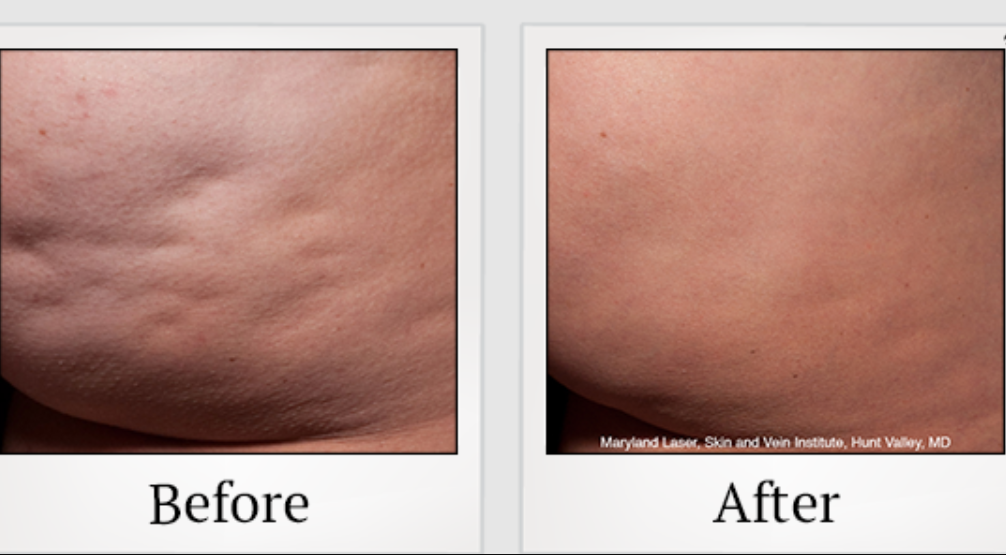
Avéli and Cellfina Side by Side
Entry points. Avéli typically uses one. Cellfina uses one per dimple treated.
Verification. Avéli confirms each band release during treatment. Cellfina relies on precise mapping and suction positioning.
Session time. Both are single visit procedures. Cellfina takes roughly 45 minutes, and Avéli runs comparably depending on the area treated.
Best suited to. Avéli favors widespread rippling. Cellfina favors distinct, deeper dimples.
Documented durability. Avéli clinical data reported improvement at 12 months. Cellfina is FDA cleared for results lasting at least three years.
Early recovery. Avéli soreness typically peaks in the first 24 to 48 hours. Cellfina bruising and tenderness are somewhat more noticeable in the first week.
A Physician’s Perspective: What Matters Beyond the Device
Choosing between Avéli and Cellfina is not simply a matter of comparing two devices. A physician also needs to consider the patient’s cellulite pattern, skin quality, treatment area, aesthetic goals, and expectations for recovery. Dr. Laurena Fotsing’s approach at SF Bay Cosmetic Surgery Medical Group is centered on evaluating these individual factors before recommending a cosmetic treatment.
That distinction is important because treating cellulite effectively means addressing the specific structural characteristics creating the dimpling, rather than applying a one-size-fits-all solution.
Recovery and What to Expect
Both procedures use local anesthesia, so you are comfortable during treatment and awake throughout, and both allow a return to normal daily activity quickly.
Avéli recovery is generally defined by mild soreness that peaks in the first 24 to 48 hours and feels similar to muscle stiffness after a hard workout. Bruising is usually minor because there is a single entry point. Cellfina involves more entry points, one for every dimple treated, so bruising and tenderness tend to be a little more noticeable in the first week. As the study data show, the large majority of that resolves well within a month.
With either procedure, plan a short pause on intense exercise, keep the treated area clean, wear compression if your physician recommends it, and follow your aftercare instructions closely.
What Cellulite Treatment Costs
Pricing is not standardized, and any figure you find online without an exam attached is guesswork. Cost depends on how many areas are treated, how many dimples are involved, and the complexity of your case. Cellulite treatment is cosmetic and is generally not covered by insurance.
One point is worth weighing. Both procedures are designed as single visit treatments rather than a package of sessions, so patients often find the total compares favorably against ongoing treatments that require repeat appointments to maintain a modest effect. The only accurate number is the one built around your anatomy and goals, which is what a consultation provides.
Which Treatment Is Right for You
Start with your pattern of dimpling. Widespread rippling across the buttocks or outer thighs often responds well to Avéli, where a single entry point and confirmed release can address a broad area efficiently. A smaller number of deep, clearly defined dimples is well suited to Cellfina, where each one is treated individually and the durability data is strongest.
Then weigh recovery against your calendar. If the weeks ahead leave little room for visible bruising, the smaller footprint of Avéli may appeal. If you are willing to accept slightly more bruising in exchange for the longest documented results available, Cellfina deserves serious consideration.
This is where an in person evaluation matters more than any article. At SF Bay Cosmetic Surgery Medical Group, both procedures are available, which means the recommendation you receive is shaped by your anatomy rather than by the single device a practice happens to own.
Book Your Cellulite Consultation in San Ramon
You should not have to choose between Avéli and Cellfina on your own, and you should not have to accept a recommendation shaped by whichever device a practice happens to own. SF Bay Cosmetic Surgery Medical Group offers both, so the plan you leave with is built around your cellulite.
In your consultation, your physician will map your dimpling, review your goals and your schedule, walk you through realistic results and recovery, and give you a clear estimate with no pressure to book on the spot. You can also review real patient before and after photos and video reviews first.
Call us at 925-275-9333 or schedule your consultation online. Our office is located at 5401 Norris Canyon Rd #312, San Ramon, CA 94583, open Monday through Friday from 8:30 AM to 5:30 PM, and convenient to Dublin, Pleasanton, Danville, Walnut Creek, and the greater East Bay.
Smoother skin starts with one honest conversation. Let us tell you which treatment actually fits.
Disclaimer: Results are not guaranteed and may vary from person to person.
Frequently Asked Questions
Are Avéli and Cellfina both FDA cleared?
Does the procedure hurt?
How soon will I see results?
How long do results last?
Will I need more than one session?
Can cellulite treatment be combined with other body contouring?
Am I a candidate if I am planning to lose weight?
What areas can be treated?
How do I know which one is right for me?